Electroplating is a critical industrial process used to coat metal surfaces with a thin layer of another metal such as chrome, nickel, zinc, or copper. The quality of electroplating depends heavily on the tank used in the process. Among all material options, Polypropylene (PP) Electroplating Tanks have become the most preferred choice due to their chemical resistance, durability, and cost efficiency.
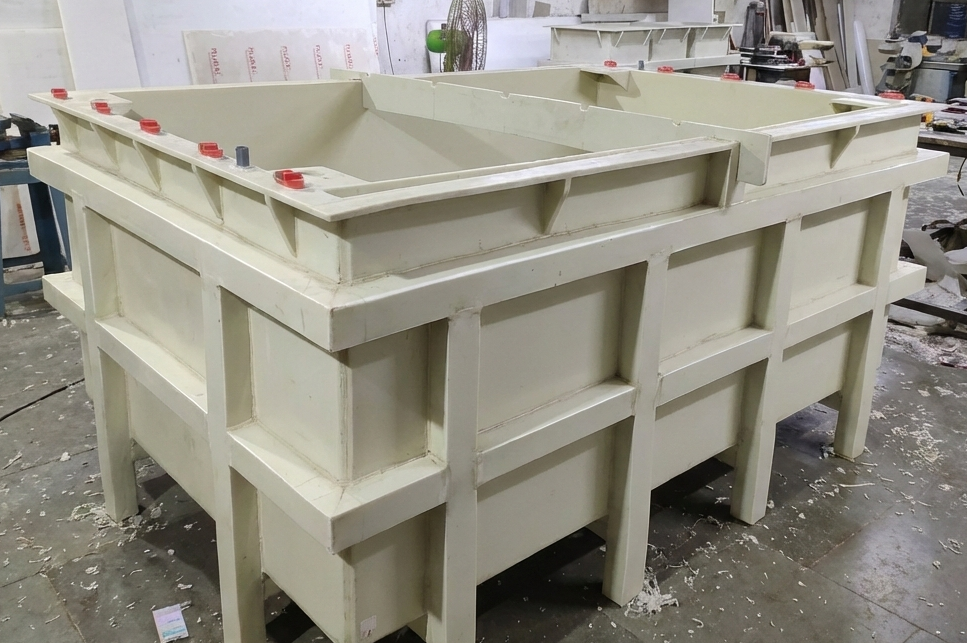
What is a PP Electroplating Tank?
A PP Electroplating Tank is an industrial container fabricated using high-grade polypropylene sheets, specially designed to hold chemical solutions used in electroplating processes.
Polypropylene is a thermoplastic polymer known for:
- Excellent chemical resistance
- High temperature tolerance
- Non-corrosive nature
- Long service life
These properties make PP tanks ideal for handling acidic and alkaline electroplating solutions safely.
Why Polypropylene is Used in Electroplating Tanks
Electroplating involves aggressive chemicals such as chromic acid, sulfuric acid, and nickel salts. Traditional metal tanks corrode quickly, leading to contamination and safety risks.
Polypropylene solves these problems.
Key Material Advantages
Corrosion Resistance
PP does not react with most electroplating chemicals.
Chemical Stability
Maintains structural integrity even in concentrated solutions.
Heat Resistance
Can withstand elevated process temperatures.
Lightweight Structure
Easy to transport and install.
Cost-Effective
Lower fabrication and maintenance cost than metal tanks.
Manufacturing Process of PP Electroplating Tanks
At professional fabrication units like Beula Plastic Engineering, electroplating tanks are manufactured using precision engineering and industrial plastic welding techniques.
Design & Requirement Analysis
Tank size and capacity finalized, chemical compatibility checked, load and temperature factors considered.
Polypropylene Sheet Selection
High-quality PP sheets (virgin grade) are selected based on thickness requirement, chemical exposure, and structural load.
Cutting & Shaping
Sheets are cut using CNC or precision cutting tools to achieve exact dimensions.
Plastic Welding Fabrication
Industrial plastic welding methods used: Butt welding, Extrusion welding, Hot gas welding to ensure leak-proof joints and long tank life.
Reinforcement & Structural Support
Depending on tank size: MS/SS outer supports added, Rib strengthening provided, Top bracing installed.
Leak Testing & Quality Inspection
Tanks undergo: Hydro testing, Joint inspection, Chemical resistance checks.
Installation & Commissioning
Final delivery, positioning, and pipeline integration completed at the client site.
Types of PP Electroplating Tanks
Different electroplating processes require customized tank designs.
1. PP Rectangular Electroplating Tanks
Most common design, space efficient, easy jig handling.
2. PP Chrome Plating Tanks
Designed for chromic acid resistance, reinforced structure.
3. Automatic Electroplating Tanks
Integrated with automation lines, conveyor or hoist compatible.
4. Heated Electroplating Tanks
Fitted with heaters & insulation, used in nickel/chrome plating.
Features of Polypropylene Electroplating Tanks
Industries prefer PP tanks due to their performance features.
- Leak-proof plastic welding
- Smooth inner surface finish
- High load bearing capacity
- Custom thickness fabrication
- Chemical & UV resistance
- Long operational life
Industrial Applications
PP electroplating tanks are widely used across multiple industries.
Major Applications
- Automotive Industry: Chrome plating for vehicle parts
- Engineering Components: Nickel and zinc plating
- Electrical & Electronics: Copper plating for conductivity
- Aerospace Components: Precision coating applications
- Hardware Manufacturing: Decorative and protective plating
Manual vs Automatic Electroplating Tank Systems
Modern industries are shifting toward automation.
Manual Tanks
Low investment, labor dependent, suitable for small units.
Automatic Electroplating Tanks
PLC controlled systems, higher productivity, consistent plating quality, reduced chemical wastage.
Manufacturers like Beula Plastic Engineering design both manual and automatic electroplating tank plants based on client requirements.
Comparison: PP vs Other Tank Materials
| Material | Corrosion Resistance | Cost | Life Span | Maintenance |
|---|---|---|---|---|
| Polypropylene (PP) | Excellent | Moderate | Long | Low |
| PVC | Good | Low | Moderate | Medium |
| FRP | Very Good | High | Long | Medium |
| Stainless Steel | Poor (chemicals) | Very High | Low | High |
Conclusion: PP offers the best balance of performance and cost.
Importance of Quality Plastic Welding in Tank Fabrication
Tank failure often occurs at welded joints. Professional plastic welding ensures:
- Zero leakage
- Chemical tight joints
- Structural strength
- Long service life
Using advanced extrusion welding technology, manufacturers achieve industrial-grade durability.
Maintenance Tips for PP Electroplating Tanks
Proper care increases tank lifespan.
- Regular chemical residue cleaning
- Check weld joints periodically
- Avoid overloading
- Maintain operating temperature limits
- Inspect structural supports
Why Choose Beula Plastic Engineering for Electroplating Tanks
When selecting an electroplating tank manufacturer, expertise and fabrication quality matter.
Beula Plastic Engineering – Chennai offers:
- Custom PP electroplating tank manufacturing
- Automatic electroplating tank plant fabrication
- Chrome plating tank manufacturing
- PPH & HDPE tank fabrication
- Industrial plastic welding services
- Tank repair & refurbishment
- On-site installation support
With advanced fabrication infrastructure and skilled technicians, the company delivers durable, leak-proof, and industry-compliant tank systems.
Additional Services Offered
Beyond electroplating tanks, the company also provides:
- SS tank fabrication
- FRP tank fabrication
- HDPE tank fabrication
- PVC chrome tanks
- Sintex tank repairing work
- MS & SS fabrication work
- Industrial roofing shed fabrication
- Car parking shed & tensile structures
- Polycarbonate roofing solutions
This makes them a one-stop solution for industrial fabrication needs.
Conclusion
Polypropylene electroplating tanks are the backbone of modern metal finishing industries. Their superior chemical resistance, cost efficiency, and fabrication flexibility make them the ideal choice for electroplating plants.
Whether you require manual plating tanks or fully automatic electroplating systems, choosing an experienced manufacturer ensures operational safety, plating quality, and long service life.
If you are planning to install or upgrade your electroplating facility, investing in high-quality PP tanks is a smart long-term decision.